

Amanda Riley became known across the United States after one of the most shocking fraud cases in recent years. For years, she convinced family, friends, church members, and strangers that she was fighting cancer. Many people donated money, offered gifts, and gave emotional support because they believed her story.
The truth was very different. Investigators later found that Amanda Riley had never been diagnosed with the cancer she claimed to have. Instead, she created fake medical stories, staged hospital photos, and collected more than $100,000 in donations through a years-long deception.https://usaceleblife.com/tyler-james-robinson-age-weight-height-family-networth-and-career-2026/
Amanda Riley Biography
| Field | Details |
|---|---|
| Full Name | Amanda Christine Riley |
| Known As | Amanda Riley |
| Profession (Former) | Teacher, School Administrator, Blogger |
| Known For | Fake cancer fraud case featured in Scamanda |
| Birthplace | California, United States (reported) |
| Nationality | American |
| Religion | Christianity (publicly identified during the period covered by the case) |
| Marital Status | Married |
| Husband | Cory Riley |
| Children | Yes |
| Famous Blog | Lymphoma Can Suck It |
| Criminal Charge | Federal Wire Fraud |
| Sentence | 5 years in federal prison |
| Restitution | More than $105,000 |
| Current Status (2026) | Serving federal prison sentence |
| Famous For | Faking a cancer diagnosis and collecting fraudulent donations; subject of the Scamanda podcast and documentary. |
Who Is Amanda Riley?
Amanda Riley was once viewed as a caring wife, mother, teacher, and active church member in Northern California. Friends described her as friendly and dedicated to her family. She built a strong online presence by sharing what appeared to be a heartbreaking battle with Hodgkin’s lymphoma.
Beginning in 2012, Amanda published blog posts describing hospital visits, chemotherapy treatments, surgeries, and health setbacks. Thousands of readers followed her updates and believed they were supporting a woman fighting for her life.
Her emotional posts inspired people to donate money, send gifts, provide free childcare, organize fundraisers, and offer many other forms of support. Few people questioned the story because her updates appeared detailed and convincing.
Amanda Riley Fake Cancer Story
The fraud started when Amanda claimed she had Stage 3 Hodgkin’s lymphoma. She later told supporters that the disease returned several times and became more serious.
- To make the story believable, she reportedly:
- Posted hospital selfies.
- Shared photos showing medical equipment.
- Claimed she was receiving chemotherapy.
- Created fake medical records.
- Used health tracking apps to support false claims.
- Posted emotional blog updates about treatment and recovery.
- Her blog, “Lymphoma Can Suck It,” became the center of the deception. Readers believed they were following a real cancer survivor.
How Amanda Riley Collected Donations
Amanda’s story reached hundreds of supporters. People helped by:Federal investigators later reported that more than 300 people and organizations were affected, with losses totaling over $105,000.
- Sending direct donations
- Paying medical expenses
- Buying meals
- Giving travel assistance
- Providing childcare
- Organizing church fundraisers
- Offering gifts and entertainment

Next Steps and Goals
Amanda Riley’s life changed dramatically after she pleaded guilty to federal wire fraud and received a prison sentence. As of 2026, she remains in federal custody serving that sentence. Because of her incarceration, there are no publicly announced personal or professional goals from Amanda herself.
After completing her sentence, she will likely focus on rebuilding her personal life, meeting the conditions of supervised release, and fulfilling her court-ordered restitution obligations. Any future employment or public activities may be affected by her criminal conviction and the widespread publicity surrounding the case.
Although many people wonder whether she plans to speak publicly or write about her experiences, Amanda has not shared verified plans for the future. Much of the discussion about her next chapter comes from media speculation rather than confirmed statements. For now, her immediate responsibility.
Amanda Riley Husband and Boyfriend
Amanda Riley is married to Cory Riley, who became publicly known after Amanda’s fake cancer fraud case attracted national attention. The couple lived in California and raised children together while Amanda portrayed herself online as a cancer patient.
However, federal authorities did not charge Cory Riley with any crime, and there has been no court finding that he knowingly took part in Amanda’s fraud. Public reporting has not identified any verified boyfriend outside.
Because of the media attention surrounding the case, Cory largely stayed out of the public eye. The family’s private life has remained mostly confidential since Amanda’s conviction, with limited public information available about their current relationship or family circumstances.
How the Fraud Was Discovered
The deception lasted for years because Amanda carefully controlled the information people saw. Eventually, someone who knew Amanda became suspicious and contacted investigative producer Nancy Moscatiello anonymously.
Authorities found evidence showing Amanda: Never received the cancer treatments she described. Used forged medical documents. Misrepresented her health to donors. Collected money under false claims.
Federal investigators, including the IRS, gathered evidence that led to criminal charges. Amanda Riley was charged with federal wire fraud after investigators reviewed years of financial records, online posts, and donation history.
Criminal Investigation and Court Case
Amanda Riley was charged with federal wire fraud after investigators reviewed years of financial records, online posts, and donation history. Instead of going through a lengthy trial, she pleaded guilty. The federal court sentenced her to:
Five years in prison Three years of supervised release Restitution exceeding $105,000 The court concluded that she intentionally deceived supporters for financial gain. However, many details shared online during that period were later proven.
to be false or misleading, making it difficult to separate genuine personal interests from those used to support the fake cancer story. Since her conviction, Amanda has remained largely out of public view, and there is no reliable information.
Timeline of Amanda Riley’s Case
| Year | Event |
|---|---|
| 2012 | Claimed she had Hodgkin’s lymphoma |
| 2012 | Started “Lymphoma Can Suck It” blog |
| 2012–2019 | Continued fake cancer story and accepted donations |
| 2020 | Federal charges announced |
| 2022 | Pleaded guilty and sentenced to five years in prison |
| 2025 | Scamanda documentary renewed public interest |
| 2026 | Continues serving federal sentence |
Amanda Riley and the Scamanda Documentary
Public interest increased after the release of the Scamanda podcast and later the television documentary. The documentary also discusses how social media helped spread Amanda’s false story and how difficult it became for supporters to accept the truth. The productions explain:
- How Amanda built public trust.
- The emotional impact on supporters.
- The investigation that exposed the fraud.
- Interviews with journalists, investigators, and victims.
Amanda Riley’s Family
Amanda Riley is married to Cory Riley, and together they have children. Throughout the investigation, many people questioned whether Cory knew about the deception. Authorities never charged him with any crime. Public reports indicate there has never been enough evidence.
The question remains widely discussed, but no criminal findings have been made against him. Some people believe she may choose to avoid public attention because of the lasting impact of her case, while others wonder whether.
These possibilities are speculative and have not been confirmed by Amanda or her legal representatives. At present, her immediate future is centered on completing her sentence and following the conditions established by the federal court after her release.
Before Fame
Before becoming the subject of one of America’s most talked-about fraud cases, Amanda Riley lived what appeared to be a normal life. She worked as a teacher and school administrator in California and was active in her local church and community.
Amanda gained the trust of many people through her involvement in church activities and volunteer work. In 2012, she began writing an online blog called “Lymphoma Can Suck It,” where she claimed to be battling Hodgkin’s lymphoma.
Her writing attracted sympathy from friends, strangers, and charitable organizations. Long before investigators exposed the fraud, Amanda had built a strong reputation as someone facing a difficult medical journey, making it easier for supporters to believe her story and offer financial and emotional help.
Amanda Riley’s Prison Sentence
Amanda Riley is serving her sentence in federal custody after pleading guilty to wire fraud. Court records show that the sentence reflected both the financial losses and the emotional harm caused to hundreds of supporters. The sentence includes:
- Five years in prison
- Financial restitution
- Supervised release after imprisonment
Why Amanda Riley’s Story Shocked
Many fraud cases involve financial scams, but Amanda Riley’s case felt different because it involved illness. Cancer affects millions of families worldwide. People naturally want to help those facing serious medical conditions.
Because supporters believed they were helping a cancer patient, many gave money without hesitation. The betrayal left lasting emotional pain for victims. Very little verified information is available about Amanda Riley’s personal.
she appeared to enjoy writing blog posts, spending time with her family, participating in church events, and connecting with supporters through social media. Her online blog required regular updates, photographs, and personal storytelling.
Public Reaction to Amanda Riley
The case generated strong reactions because many supporters felt emotionally connected to Amanda’s story. Many cancer survivors also expressed concern that scams like this could make people less willing to support patients who truly need financial help. Victims reported feelings of:
- Betrayal
- Anger
- Sadness
- Embarrassment
- Loss of trust
Nationality and Religion
Amanda Riley is an American citizen who lived in California before her arrest. She became involved in a Christian church community, and many supporters knew her through church activities and religious gatherings.
Public reports describe her as someone who openly expressed Christian faith during the years she claimed to be battling cancer. Her blog often included references to prayer, hope, and faith, which encouraged many church members.
After the fraud was uncovered, many members of her religious community felt deeply betrayed because they had offered emotional, spiritual, and financial support based on her claims. While Amanda publicly identified with Christianity.
Social Media Appearance
Amanda Riley built a significant online presence through her cancer blog and related social media activity. Her blog, “Lymphoma Can Suck It,” became the primary place where she shared updates about her supposed illness.
These posts attracted a loyal following and encouraged many people to contribute financially. Following the criminal investigation and her guilty plea, Amanda’s public online presence largely disappeared. Her blog is no longer active.
Today, most online discussions about Amanda Riley come from news organizations, documentaries, podcasts, and true-crime communities rather than from Amanda herself. Her story continues to circulate across digital platforms.
Lessons from the Amanda Riley Case
Amanda Riley’s case reminds people to verify fundraising campaigns before donating. While most medical fundraising campaigns are genuine, careful research helps protect donors and people who truly need assistance. Helpful steps include:
- Donate through trusted charities.
- Confirm medical fundraisers when possible.
- Be cautious of stories relying only on social media updates.
- Look for independent verification.
- Report suspicious fundraising activity.
Future Goals
Because Amanda Riley is currently serving a federal prison sentence, her future plans remain private and largely unknown. She has not released public interviews or official statements describing her long-term ambitions after prison. Like many individuals completing federal sentences.
She may eventually focus on rebuilding family relationships, finding employment, and meeting legal responsibilities such as restitution payments. Whether she will seek a quiet private life or publicly discuss her experiences remains uncertain. Some people believe she may choose to avoid public attention.
because of the lasting impact of her case, while others wonder whether she could someday participate in interviews or educational discussions about fraud prevention. These possibilities are speculative and have not been confirmed by Amanda or her legal representatives.
Legacy and Influence
Amanda Riley’s legacy is closely connected to one of the most widely known fake illness fraud cases in recent American history. Her actions led to greater public awareness of medical fundraising scams and highlighted the importance of verifying online donation campaigns.
Journalists, investigators, and fraud experts often reference her case when discussing deception involving fake illnesses. The popularity of the “Scamanda” podcast and documentary introduced her story to millions of people, helping educate audiences about how emotional storytelling and social media can be misused.
Her case has also encouraged charities and donors to improve verification practices before providing financial assistance. While Amanda Riley is remembered for criminal misconduct rather than positive achievements, her story has influenced conversations about online trust, digital fundraising, and financial fraud.
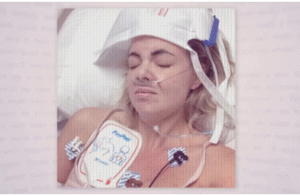
Although Amanda Riley became known because of fraud, her case has influenced discussions about online fundraising, medical deception, and digital trust.
Journalists, fraud investigators, and nonprofit organizations frequently reference the case when discussing internet scams involving fake illnesses.
The Scamanda podcast and documentary have also introduced the story to new audiences, encouraging viewers to think more carefully before sharing or donating to unverified online campaigns.
Interesting Facts
Amanda Riley’s case includes several surprising facts that continue to interest readers. She maintained her fake cancer story for about seven years, convincing hundreds of people that she was seriously ill. During that time, she created detailed blog posts.
Investigators determined that she collected more than $105,000 through fraudulent claims. Her story inspired the hit “Scamanda” podcast, which later became a television documentary, bringing renewed attention to the case years after her conviction.
Amanda pleaded guilty to federal wire fraud instead of going through a lengthy trial and received a five-year prison sentence. Despite public speculation, her husband, Cory Riley, was never charged with any crime.
Conclusion
Amanda Riley’s story remains one of the most widely discussed medical fraud cases in recent American history. For nearly a decade, she convinced hundreds of people that she was fighting cancer while collecting donations and other support. The investigation.
revealed an extensive pattern of deception that ended with a federal wire fraud conviction, restitution, and a five-year prison sentence. Today, her case serves as a reminder of the importance of verifying online fundraising efforts while continuing to support people facing real medical hardships.
The Scamanda podcast and documentary have kept public attention on the case, showing both the emotional damage caused by the fraud and the dedication of investigators who uncovered the truth.https://celebnationality.com/kaitlin-armstrong-2/
FAQS
Q1. Who is Amanda Riley?
Amanda Riley is a former California teacher who pleaded guilty to federal wire fraud after falsely claiming for years that she had cancer and collecting more than $100,000 in donations.
Q2. What did Amanda Riley do?
She falsely claimed to have Hodgkin’s lymphoma, created fake medical stories and documents, accepted donations, and deceived supporters between 2012 and 2019.
Q3. Is Amanda Riley still in prison?
Yes. As of 2026, Amanda Riley is serving the five-year federal prison sentence imposed after her guilty plea for wire fraud.
Q4. What is the Scamanda documentary about?
The Scamanda documentary tells the story of Amanda Riley’s fake cancer claims, the investigation that exposed the fraud, and the impact her actions had on victims and supporters.